Why Flow Chemistry?
Continuous flow chemistry has gained remarkable attention over the last 20 years. As publications and applications have grown, the conversation has shifted. Chemists are no longer asking only “What can be done in continuous flow?” They are asking “Which reactions truly benefit from flow, and what makes flow the better choice?”
THE ADVANTAGE OF FLOW
In simple terms, flow chemistry gives researchers more control over how a reaction happens. Instead of running a reaction in one bulk vessel, reagents move continuously through a defined reactor environment. This allows tighter control over key parameters such as residence time, temperature, pressure, mixing, irradiation, mass transfer, and reagent addition. As a result, reactions can often be studied more systematically, optimized more efficiently, and reproduced more reliably.
This becomes especially valuable when batch chemistry begins to show limitations. In many cases, reaction performance depends strongly on how quickly reagents mix, how efficiently heat is removed or supplied, how uniformly light reaches the reaction medium, or how consistently reaction conditions can be maintained. Under these circumstances, flow can improve not only performance, but also safety, experimental clarity, and the transition from early screening to preparative work.
USE CASES OF FLOW CHEMISTRY

Flow Chemistry is particularly useful for:
Fast reactions, where precise residence time matters
Exothermic reactions, where heat must be controlled efficiently
Photochemical reactions, where uniform light exposure improves performance
Gas-liquid or multiphase reactions, where mixing and contact area are important
Hazardous transformations, where smaller reaction volumes can improve safety
Optimization studies, where conditions need to be screened and reproduced efficiently
Scale-up or scale-out, where moving from small-scale experiments to larger quantities requires consistency.
Catalytic processes, where efficient contact between reactants and catalytic surfaces can improve activity and selectivity, and process efficiency
Electrochemistry, where controlled current density, electrode spacing, and mass transfer are important.
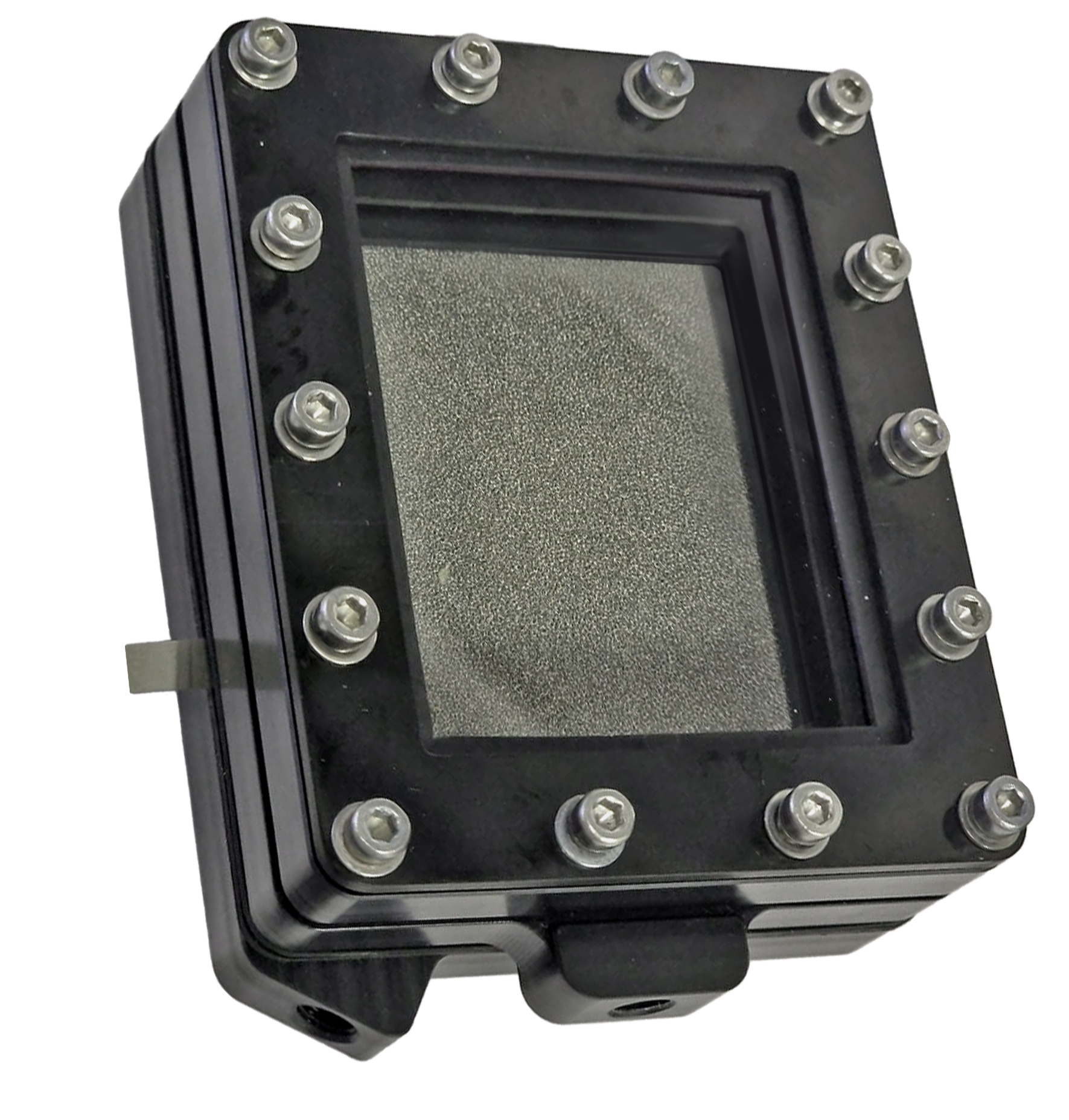
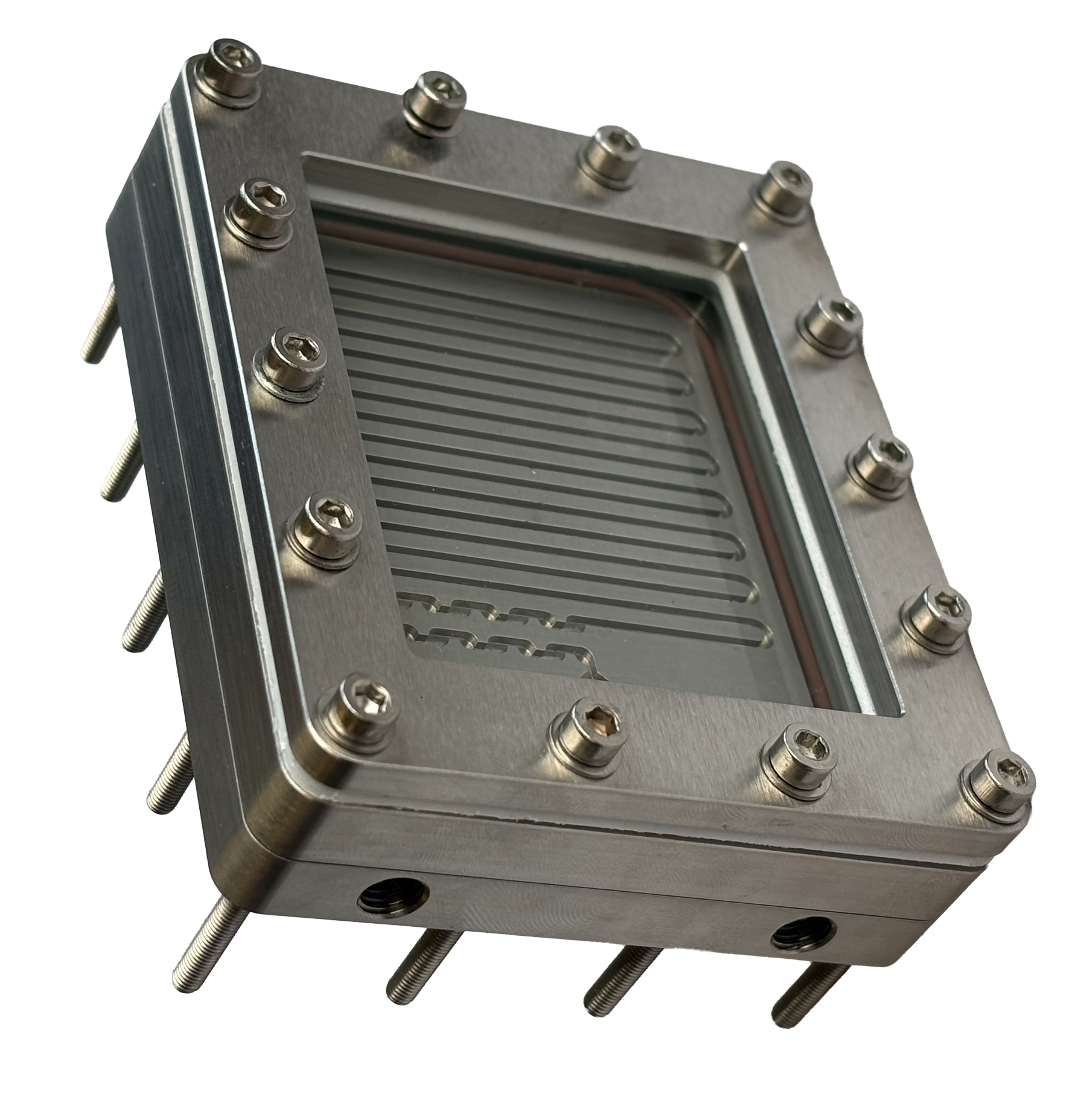
At Redeem, we have a reactor for each of these applications.
Is Flow the answer to everything?
Flow chemistry should be adopted with purpose. Not every batch process becomes better in flow, and some reactions may not justify the setup time, equipment, or operational complexity. The decision should be based on the scientific goal, the reaction conditions, and the value flow can realistically bring.
At Redeem, we help chemists make that decision easier. Our systems are designed to lower the barrier to continuous flow by making setup, experimentation, and optimization more intuitive. For experienced flow chemists, Redeem provides modularity, control, and reliability. For those just starting, it offers a more approachable way to test whether flow is right for their chemistry.
Flow chemistry is not just about changing equipment. It is about giving chemists a different way to think, test, and discover, with more control, more confidence, and more room to move forward.
Not sure where to start? CONTACT US, and book a free consultation.
Are you ready to power tomorrow, today?
Engage with our experts, explore live demonstrations, and envision a future where sustainability and profitability go hand in hand. Let's pave the way for a greener, brighter tomorrow, together.